Forum

San Francisco

13–14 March 2027

Industrial wealth left us
the library and the university.
What the AI age leaves
is being decided now.

Two days of keynotes, debates, hands-on workshops, and live funding experiments with 200 founders, researchers, funders, and policymakers, in a community that keeps working all year.

Starts in

--

days

--

hours

--

minutes

--

seconds

Supported by

Curated by

Why attend

In the age of transformative AI, we need shared infrastructure for human welfare and agency. AI is making a new generation of fortunes, and nobody has settled what they should fund or who gets to decide.

Right now those decisions are being made by a very small circle. Economists and engineers rarely share a conversation, and neither do constitutional lawyers and the teams training the models, or funders and the people who will live with the results. There is still time to widen the circle and put sovereignty, governance, and agency on one table, with the people building the systems and the people funding them.

This March we'll spend two days doing that in focused sessions and open debate, some of it off the record, to start lasting collaborations and research.

( Funders )

Back what the AI age needs, and learn how to tell whether it worked.

  • Talk to founders and researchers before their work turns into a proposal.
  • Compare notes with funders in your field and find partners to co-fund with.
  • Take part in live funding rounds where the room decides the allocation.
  • Join the private dinner on the eve of the Forum, included with the Patron pass.
Funders in conversation over dinner at a Funding the Commons gathering

( Researchers and governance designers )

Put your model, policy, or governance design in front of the people who will use it and the people who can break it.

  • Test your mechanism in workshops with the funders who would pay for it and the founders who would run it.
  • Argue your case on and off the record with policymakers and engineers.
  • Give a recorded main-stage talk once your work is ready for a wider audience.
A builder at work across three screens during a Funding the Commons residency

( Policy and public infrastructure )

Shape the rules for AI systems while they can still change, with the teams building them.

  • Debate who should own the data, compute, and models that schools, clinics, and city services will run on.
  • Meet peers from city governments, agencies, and international organizations already running public AI projects.
  • Sit down with the funders deciding which digital public infrastructure to back next.
A fireside chat on stage at Funding the Commons San Francisco

( Founders )

Find funders, users, and partners for work a market alone won't pay for.

  • Learn how other founders keep open infrastructure funded.
  • Hand your prototype to the people it's for and hear what's missing.
  • Stay part of a community that keeps working between gatherings, through residencies and fellowships.
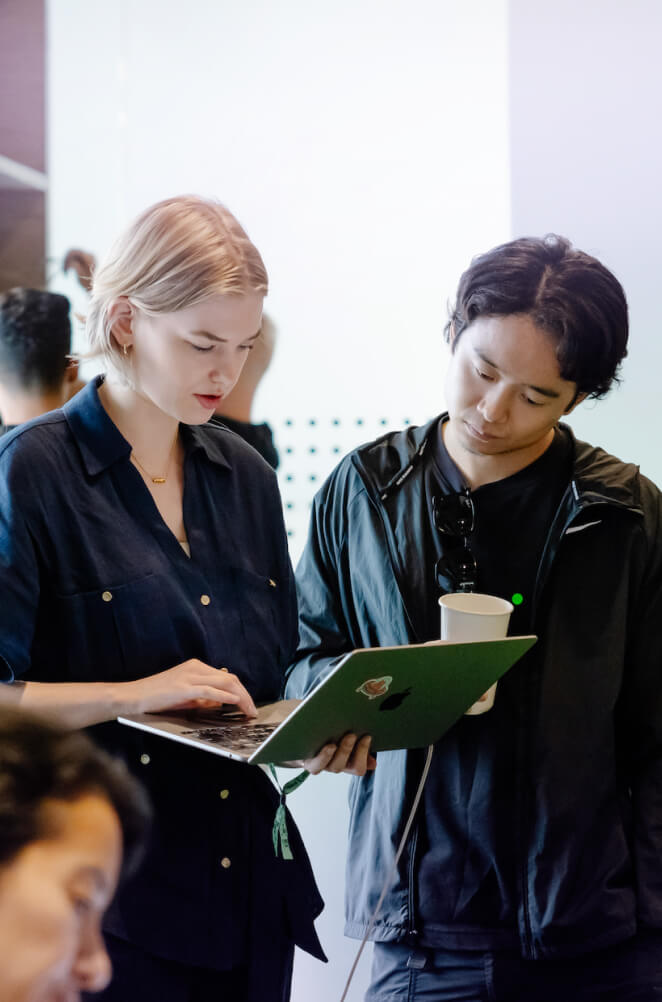
Participants working together on a laptop at Funding the Commons San Francisco

The program

Transformative AI will change economies, governments, and daily life as much as the industrial revolution did, in a fraction of the time. It will reach everything public goods touch, including who works and gets paid, who is cared for and taught, who owns the data and the models, and who answers for the decisions made with it.

Human Welfare Track

What needs building, and will it reach everyone?

The public goods of the age, one domain at a time: care, knowledge, nature, culture, civic life, and survival itself. For each, the funder's questions: where does money do the most for human welfare and the living world it depends on, are there builders ready to use it, and how will we know it worked.

Public AI and digital
public infrastructure
Biosecurity and
pandemic preparedness
Care, health,
and education
Knowledge, data,
and science
Planetary health and
resilient systems
Culture, media,
and the arts
Data rights and
compensation
Work, income, and
the share of the gains
Participation, community,
and civic life

Human Agency Track

Who owns it, who decides, and who does it answer to?

Power, through sovereignty, governance, and agency: who can switch the infrastructure off, who decides and answers for it, and whether people are still free to act. For funders, the same questions: where is this work underfunded, who can carry it, and how do we measure what the money did.

Sovereign AI,
data, and compute
Open models Education and
knowledge infrastructure
Governance of
frontier systems
Concentration
of power
AI safety and
loss of control
Verifiable AI and
accountability
Information integrity
and provenance
Digital human rights,
privacy, and identity

What to expect
as a participant or a speaker

Expect to take part. Your argument gets tested, your solution gets used, and the conversations are candid enough to change your mind. Every session is curated across fields, so a workshop on data rights might bring together an economist, a city official, and a researcher from an AI lab. Workshops put your work in the hands of the people who would use it. Debates run on the record or off. Funding rounds move real money, and the participants decide where it goes. Some sessions run under the Chatham House Rule, so people can argue freely at a time when public discourse rarely allows it.

01

Keynotes

Short talks from the people building the models, mechanisms, and policies.

02

Debates and panels

Positions argued openly. Some sessions on the record, some off it.

03

Hands-on workshops

Bring a model, a mechanism, or a vision and leave with it tested by the people who would use it.

04

Live experiments

Funding rounds, votes, and prototypes run together with participants.

Funding the Commons in numbers and pictures

A participant making a point in conversation
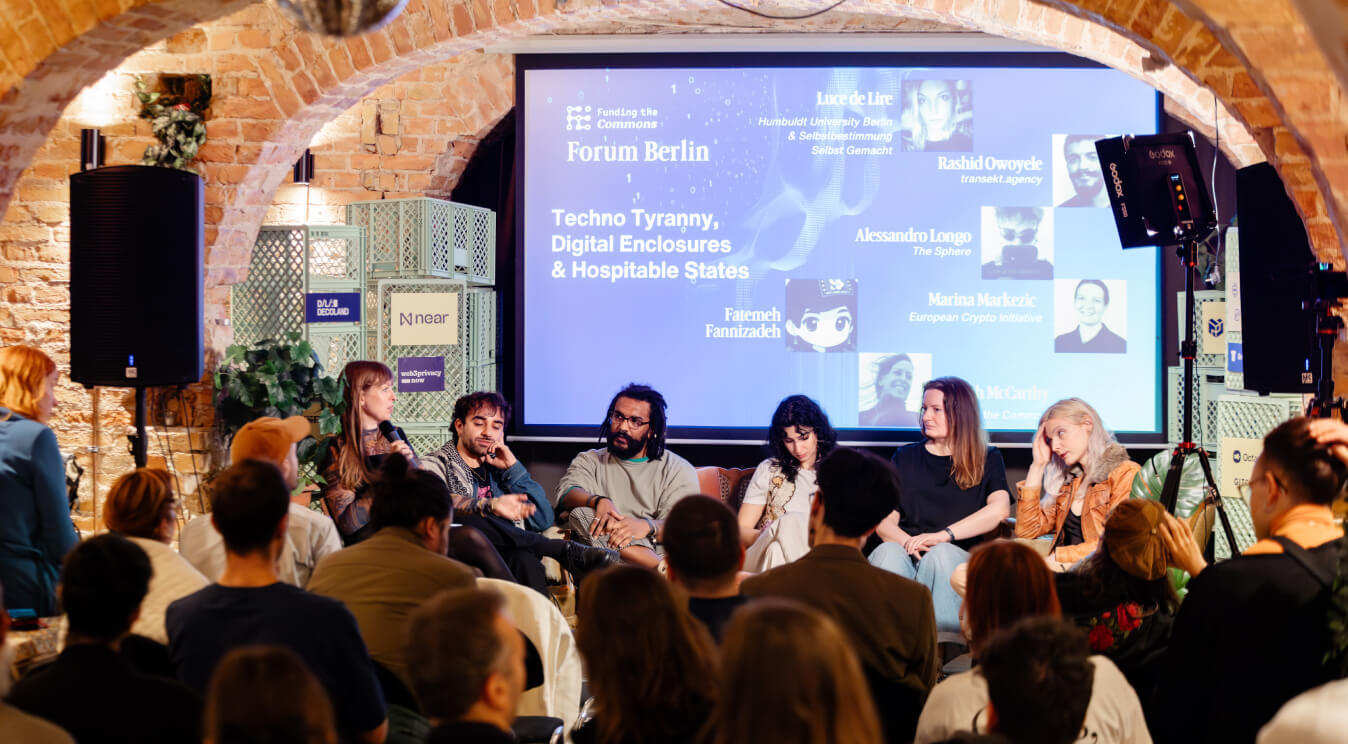
A panel on stage at Forum Berlin
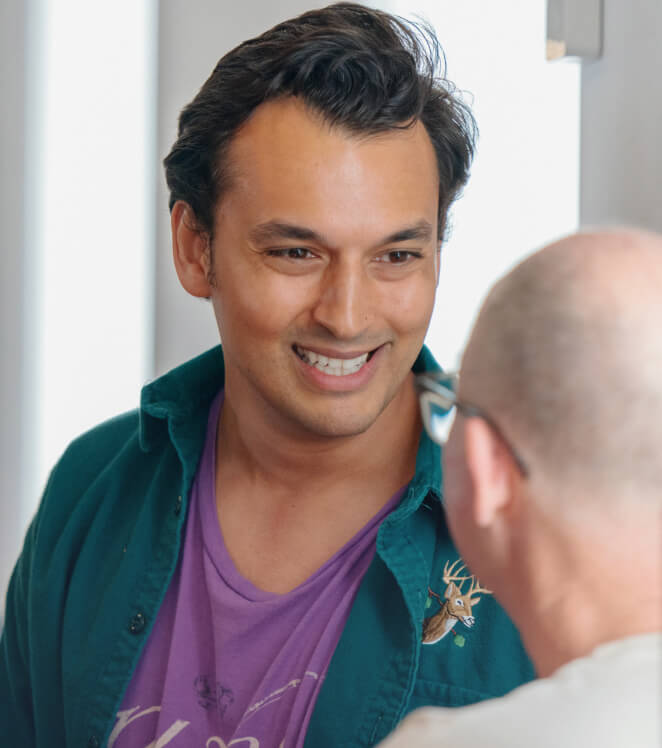
Two participants in conversation
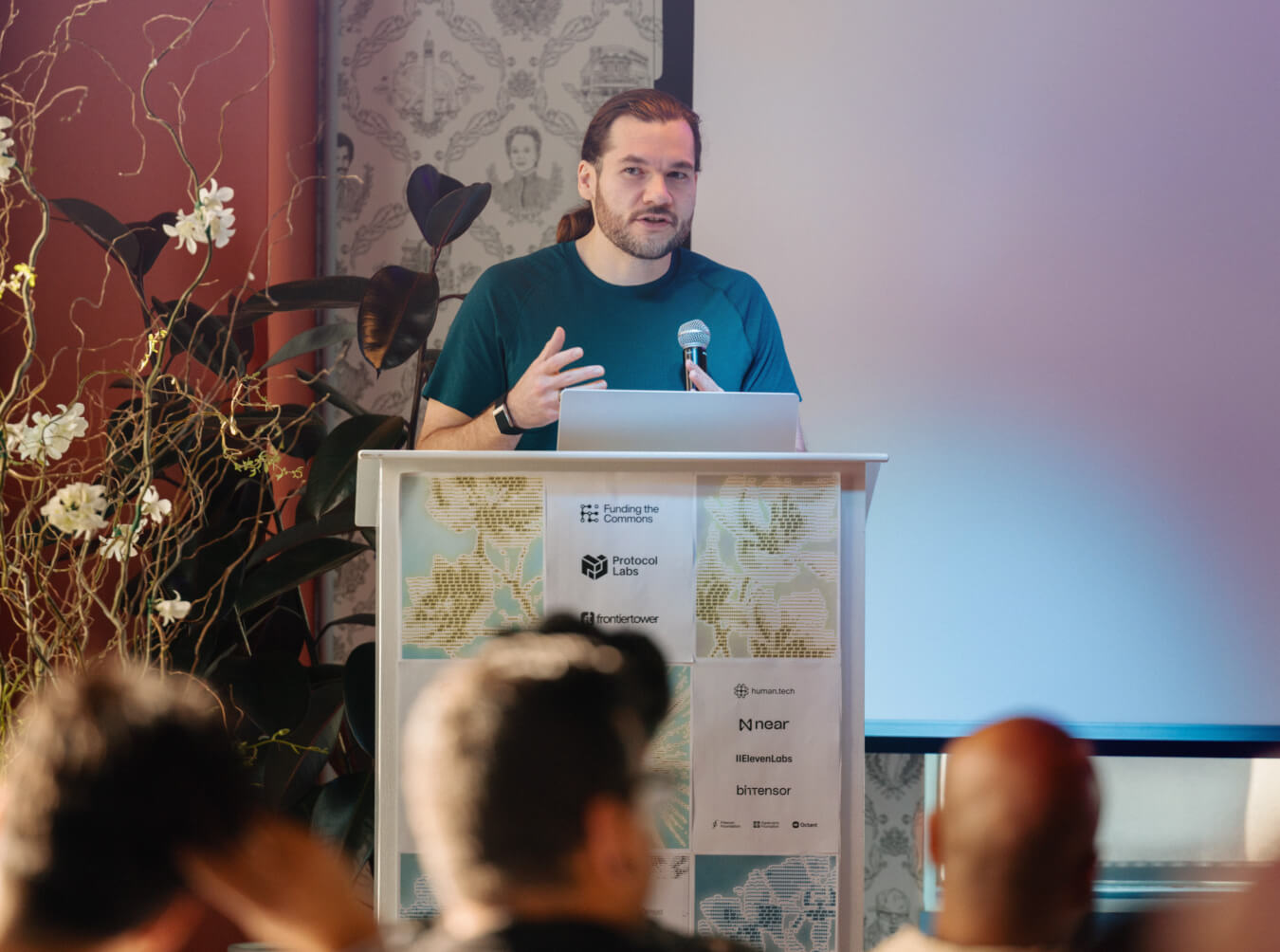
A speaker at the lectern
A speaker presenting to the room
Participants working together on a laptop

Agenda

Agenda is coming soon

Watch talks
from our last event

FAQ

When and where is the Forum?

13–14 March 2027 in San Francisco. We're confirming the venue now and will announce it here and on Luma.

Who should come?

Funders and philanthropic institutions, researchers and governance designers, people working on policy and public infrastructure, and founders. The program is built for people who want to help work out what the AI age should fund and who decides.

How do I apply to speak?

Applications are open and reviewed as they arrive. There is no deadline yet; when one is set it will appear here first. Apply to speak.

What do tickets include, and what do they cost?

Luma lists the current tickets and passes, with prices and what each includes. The Patron pass comes with a seat at the private dinner on the eve of the Forum.

Are sessions recorded?

Main-stage talks are recorded and published on our YouTube channel. Workshops, sessions under the Chatham House Rule, and the dinner are not. Our media team also records interviews with community members across both days, and you can book one on site.

Can I bring my child?

Yes. People do every year.

Do you provide travel support or visa letters?

We don't usually offer travel support, but once you have a ticket we're happy to send a visa invitation letter. Just write to us.

How can my organization partner with the Forum?

Our partner page sets out the options. You can also write to us at contact@fundingthecommons.io.

Any other questions?

We'd love to hear from you at contact@fundingthecommons.io.

What gets built next is decided by the people who show up.

Will you?